ARIANA RAHMANCancer Immunology Researcher
Goldwater Scholar · TEDx Speaker

Ariana Rahman · 2026 Goldwater Scholar

A cancer immunology and computational biology researcher translating overlooked symptoms, rare cell states, and inequities in care into evidence medicine can test and use.

Listen

Begin with the details patients are already giving us—especially the symptoms, languages, and lived experiences the clinical record too often compresses.

Measure

Pair patient-derived tissue with spatial biology, multiplex imaging, single-cell analysis, and computation to preserve signals that broad averages can hide.

Translate

Turn overlooked signals into rigorous mechanisms, testable hypotheses, and clearer paths toward diagnosis, treatment, and equitable care.

A different way to ask

A patient can describe pain with extraordinary precision, yet the chart may preserve only a fraction of it. A rare immune state can shape recurrence, resistance, or persistent pain, yet disappear when data are reduced to an average.

Ariana studies both forms of loss. At Mayo Clinic, she collects patient-derived tissue and maps immune architecture in endometriosis and spatial evolution in glioma. At Stanford Medicine and ASU Biodesign, she develops computational methods for single-cell integration and cancer prediction. At Dana-Farber and Pfizer, she has worked from CAR-T biology to clinical-trial analytics. In a free Sunday clinic, she interprets Bengali and helps document the patient story that no model can recover once it is omitted.

Across those settings, the discipline is the same: listen closely, preserve complexity, and translate what is easy to miss into evidence that can be tested.

At a glance

Research across the full path
from question to evidence.

Concurrent BS Biomedical Informatics and BS Biomedical Sciences · Arizona State University · 2024–2027 · GPA 4.00 / 4.00

Ariana Rahman is a 2026 Goldwater Scholar at Arizona State University pursuing concurrent degrees in biomedical informatics and biomedical sciences. Her research asks how immune dysfunction, neural sensitization, and tumor evolution can be made more measurable through patient-derived tissue, spatial analysis, and computational biology.

Her work spans Mayo Clinic, Stanford Medicine, Pfizer, Dana-Farber, and ASU Biodesign. Across five scholarly works—four first-authored—she has studied breast-cancer recurrence, immune-dysregulated cancer ecosystems, integrated single-cell embeddings, neuroimmune mechanisms of endometriosis pain, and migraine chronobiology.

She has brought that work to two TEDx stages and two AACR Immuno-Oncology meetings, while also reporting science for The Arizona State Press and leading Arizona District 6 for the American Cancer Society Cancer Action Network.

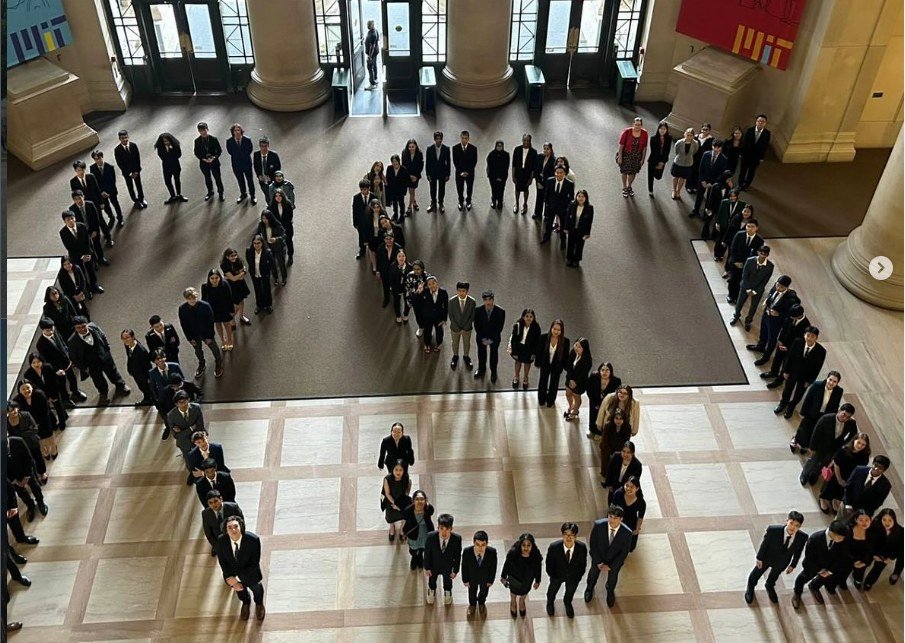
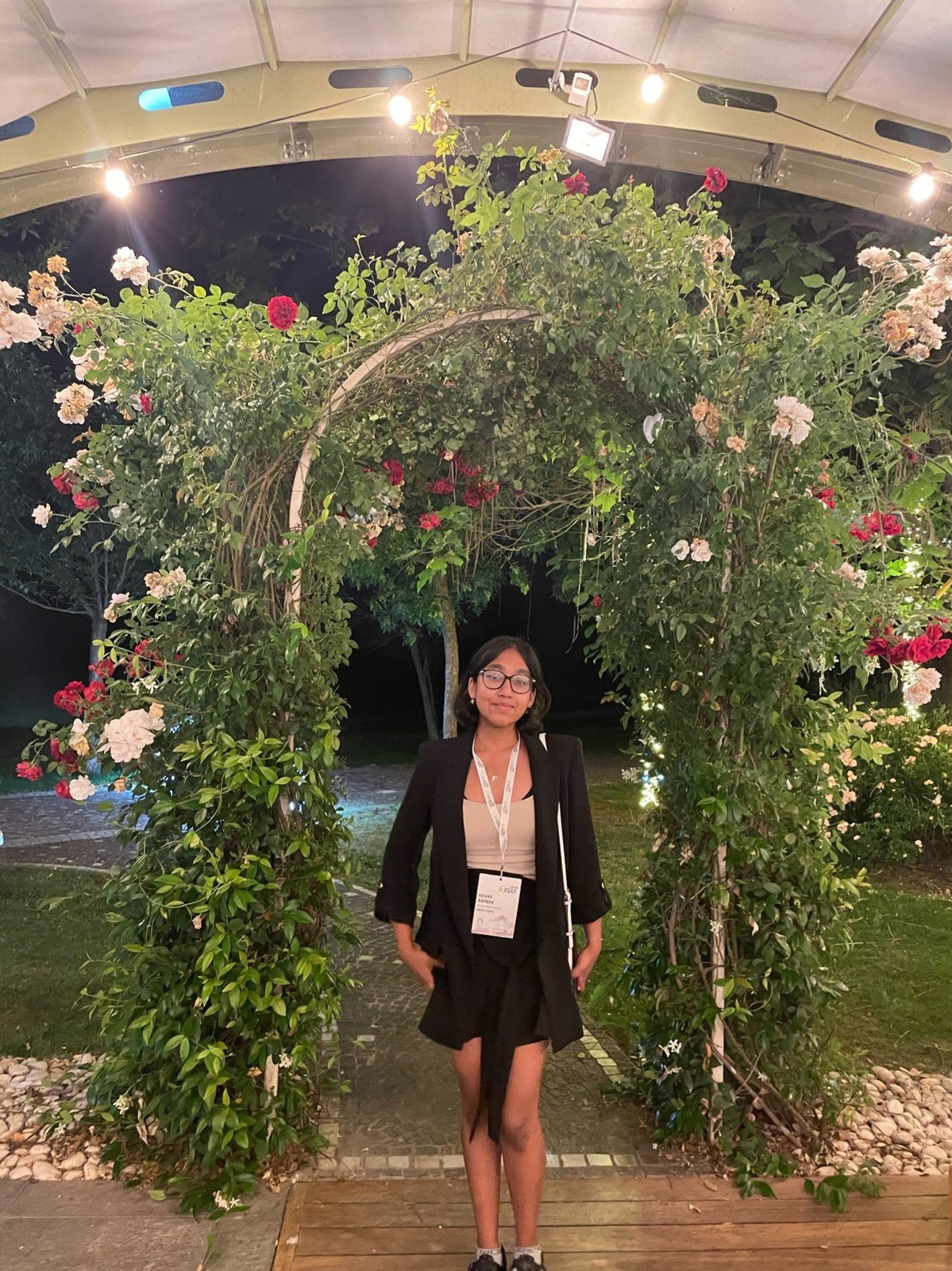
Selected speaking and scientific presentations

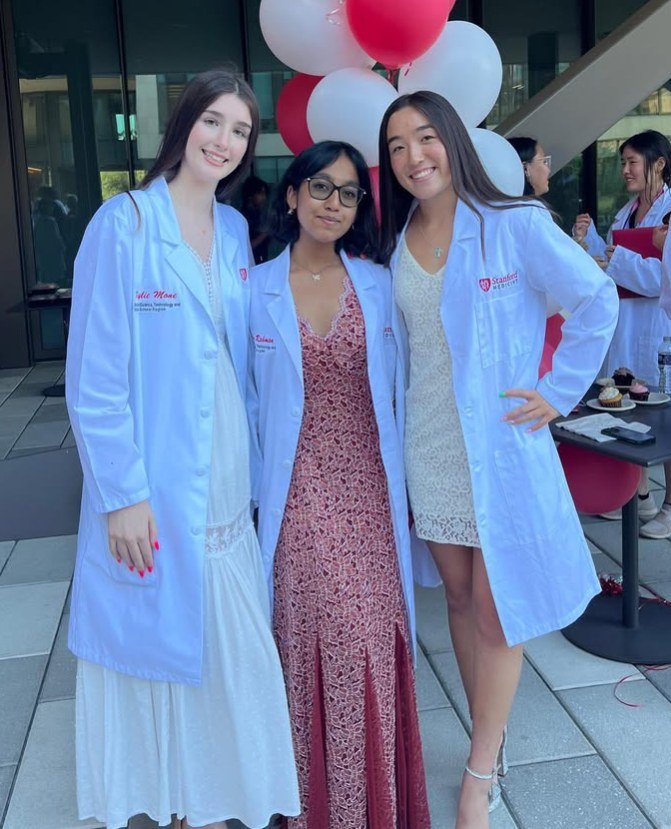
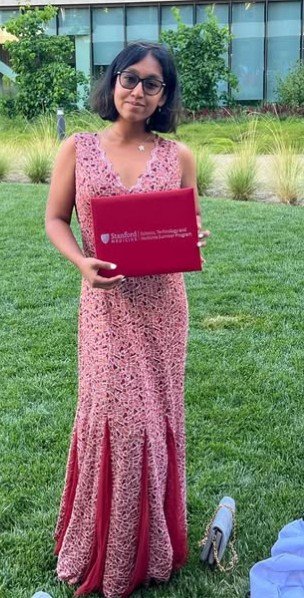
Researcher holding a Stanford Medicine program certificate

In her own words

What gets lost in translation can change a life.

I first understood the cost of missing information while interpreting Bengali in medical settings. A patient could describe pain precisely—its timing, texture, triggers, and consequences. Yet by the time the visit became a chart, much of that detail could be compressed into a few words. The meaning had been present. The record had not been built to hold all of it.

Years later, I recognized the same pattern in single-cell analysis. Rare cell states can contain the biology that distinguishes one patient’s disease from another, but integration and averaging can smooth those states into invisibility. The experiment may be technically successful while the signal that matters most is lost.

That parallel became the question behind my work: how can we build research and clinical systems that are sensitive enough to preserve what matters?

At ASU Biodesign, I began with models of breast-cancer recurrence. At Dana-Farber, I studied how ZAP-70 mutations change CAR-T cell function. At Stanford Medicine, I developed GenoRefine, a metric-guided framework for integrated single-cell embeddings. At Pfizer, I analyzed clinical-trial data and built tools linking dosing, laboratory findings, comorbidities, and clinical events. At Mayo Clinic, I collect tissue in the operating room and study how immune architecture, nerve signaling, and spatial tumor evolution shape disease.

The methods change. The responsibility does not: do not let the average become an excuse for overlooking the patient, the rare cell, or the community that does not fit the default.

I want my science to begin with listening, survive the translation into data, and return to medicine as evidence a clinician can act on.
Start a conversation

Selected honors and milestones

Recognized for research, communication, and public service

2026
Goldwater Scholar
2025
National Merit Scholar
2024
Flinn Scholar
RSI
Research Science Institute Scholar, MIT & Dana-Farber
City of Chandler Volunteer Award, Innovation
5 scholarly works4 first-authored 4.00 GPA2 TEDx stages2 AACR presentations

Research experience

One question, pursued across five institutions

Mayo Clinic · 2024 – present

Research Intern, Department of Immunology

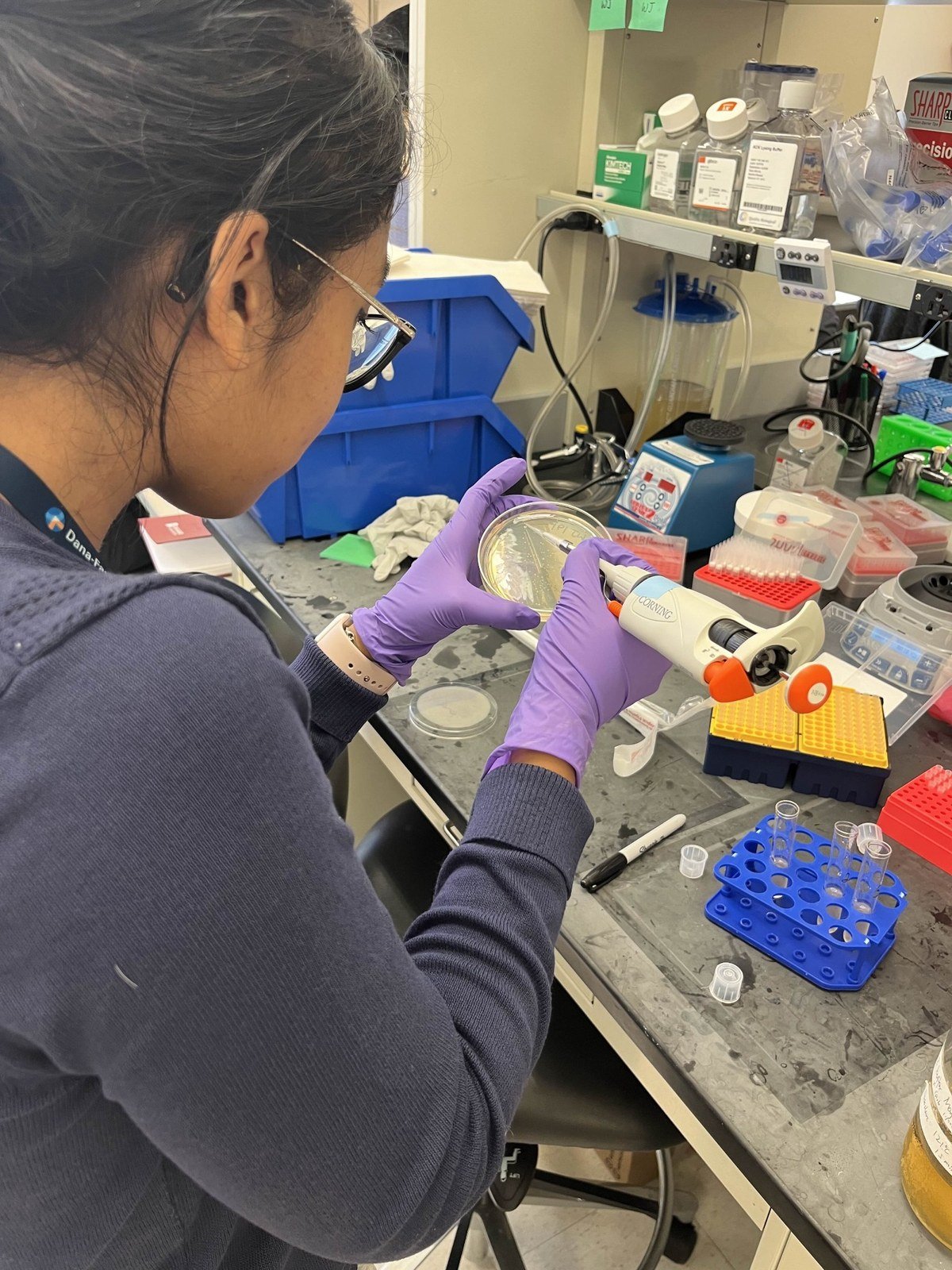
Collects freshly excised endometriosis tissue in the operating room and maps tertiary lymphoid structures and immune–neural organization using multiplex immunofluorescence and QuPath. Her independent work examines how immune suppression, sensory-nerve signaling, and neural sensitization may sustain pain; a first-author manuscript is under review at the American Journal of Obstetrics and Gynecology. She also develops patient-aware analyses linking RNA-seq with MRI-registered biopsy locations to study glioma evolution across space and time.

Stanford Medicine · 2023 – present

AI in Radiation Oncology Lab

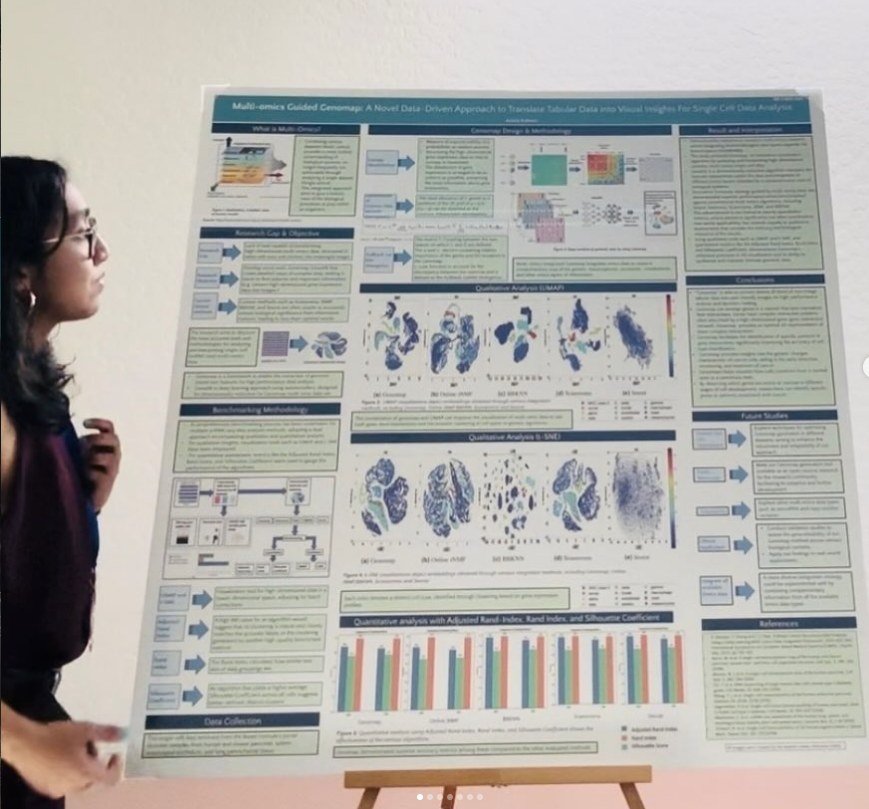
Developed GenoRefine, a metric-guided framework for refining integrated single-cell RNA-seq embeddings while preserving biologically meaningful structure across datasets. Also built a pan-cancer workflow to investigate immune-dysregulated ecosystems and generate hypotheses about immunotherapy resistance.

Pfizer · 2025 and 2026

R&D Intern, two placements

Analyzed sickle-cell clinical-trial data using Python models and a Neo4j knowledge graph connecting dosing, laboratory findings, comorbidities, vaso-occlusive crises, and mortality-related variables. Returned in 2026 to support prospective study design for a breast-cancer medication.

Dana-Farber Cancer Institute · 2024

Research Intern

Studied how ZAP-70 mutations alter CAR-T cell cytotoxicity and cytokine release, testing how engineered signaling changes may influence performance against solid tumors.

ASU Biodesign Institute · 2022 – 2023

Undergraduate Researcher

Built a deep-learning multi-omics model for breast-cancer recurrence and a random-forest classifier for triple-negative breast-cancer subtypes—work that led to a first-author IEEE CBMS publication.

Scope

From patient signal to research evidence

Patient-derived tissue and spatial biology · single-cell and multi-omics integration · wet-lab cancer immunology · clinical-trial analytics · computational method development · translational study design.

Selected scholarly work

Education, training, and recognition

Built across disciplines, from computation to the clinic

Arizona State University

Concurrent BS Biomedical Informatics · BS Biomedical Sciences
2024–2027 · GPA 4.00 / 4.00

Research Science Institute Scholar
Center for Excellence in Education · MIT and Dana-Farber Cancer Institute · 2024

  • 2026Goldwater Scholar
  • 2025National Merit Scholar
  • 2024Flinn Scholar — Flinn Foundation
  • 2024RSI Scholar — Center for Excellence in Education
  • City of Chandler Volunteer Award — Innovation

Beyond the laboratory

The questions begin with the people the system overlooks

2023 – present

District Lead, ACS CAN

Leads Arizona District 6 and the annual Light of Hope fundraiser, representing constituents at the Arizona State Capitol on research funding, screening access, and affordable care.

2023 – present

Bengali interpreter

Provides Bengali–English interpretation in medical and legal settings, helping preserve the detail and dignity that can disappear when institutions do not share a patient’s language.

2025 – present

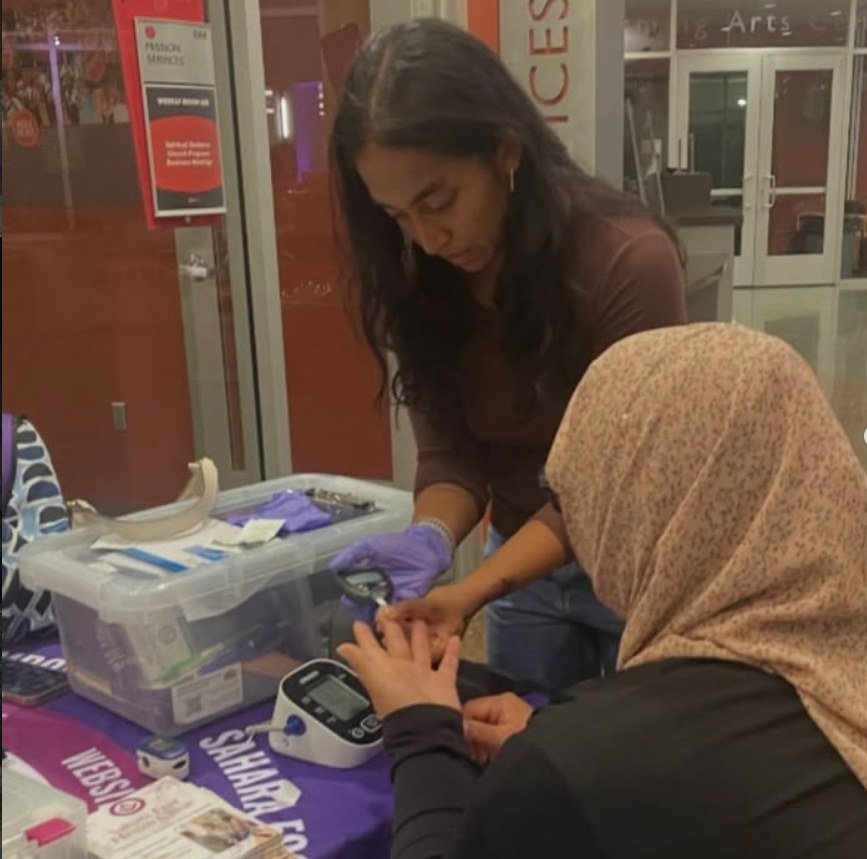
Volunteer CNA, Shahara Clinic

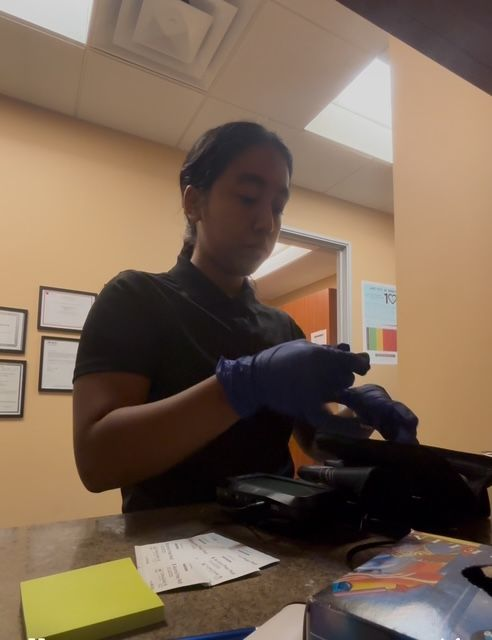
Performs blood-glucose, blood-pressure, and SpO2 checks, intake, and EMR documentation at a free Sunday clinic serving uninsured patients in Mesa.

2024 – present

REACT

Delivers health education on diabetes, cholesterol, and chronic disease in clinics serving refugee, Hispanic, Black, and uninsured communities.

2024 – present

Teach For America Ignite

Tutors students from under-resourced schools, including Native American and Hispanic students, through sustained virtual instruction.

Volunteer service

Banner MD Anderson Cancer Center

Completed 100 hours of volunteer service at the cancer center in Gilbert, Arizona.

Fall 2025

Sci-Tech Reporter, The Arizona State Press

Reports on ASU research and technology with an emphasis on public impact, including AI, crisis-response tools, sustainability, and tribal data sovereignty.

Also

She writes poetry

Published in five literary magazines, including “Takeaways From Anatomy Class.” Her science and poetry share the same discipline: notice what others pass by.

Continue the conversation

Science changes what medicine can hear.

Explore Ariana’s research, invite her to speak, or connect about a collaboration at the intersection of immunology, computation, and patient care.

Explore the research